October 13, 2026 · 4 min read
SEO vs LLM Optimization: What's the Difference?
SEO gets your pages ranked. LLM optimization gets your brand named in AI answers. A plain explanation of how they differ and why you need both.
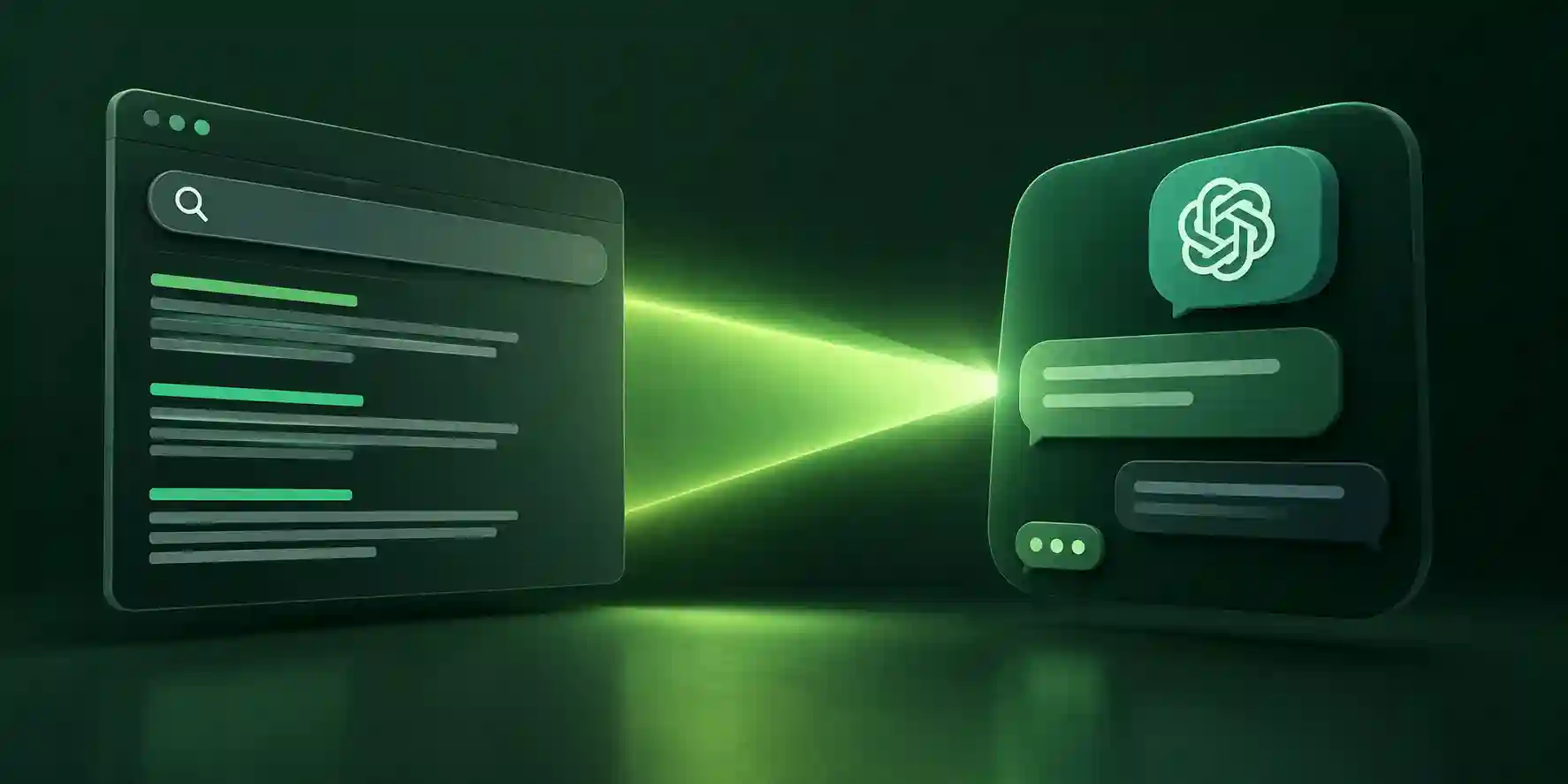
People ask me this all the time, usually right after I explain what Sublime+ does: "Isn't LLM optimization just SEO with a new name?"
No. They overlap, and good SEO helps with both. But they chase different goals, reward different things and get measured in different ways. If you treat them as the same job, you'll end up doing one of them badly.
This is how I explain the difference to clients.
What SEO is trying to do
SEO, search engine optimization, is about getting your own pages to rank on Google. You pick the searches your customers type, create pages that answer them, earn links from other sites and make your site fast and easy to crawl.
The goal is a click. Someone searches, sees your page in the results and visits your site. Success looks like higher rankings and more organic traffic.
What LLM optimization is trying to do
LLM optimization is about getting your brand mentioned inside the answers that AI tools like ChatGPT, Gemini, Perplexity and Google AI Overviews give people. You'll also hear it called GEO, short for generative engine optimization, or simply AI visibility. Same idea.
The goal here is a mention, sometimes with a link and often without. Someone asks a question, the AI recommends a few brands, and yours is one of them. Success looks like being named more often, described accurately and recommended for the right situations.
The four differences that matter
What counts. SEO mostly rewards your own website. LLM optimization leans heavily on what other people say about you: Reddit threads, review sites, comparison articles, forums and news. You can have a great website and still be missing from AI answers if nobody else talks about you.
What you win. SEO wins you a spot on a page of results. LLM optimization wins you a place in a short answer that might only have room for three names. Fewer spots, but each one carries more trust.
How you measure it. SEO has mature tools for tracking rankings, clicks and traffic. Measuring AI visibility is newer and messier. The most reliable method right now is still asking the AI tools the questions your buyers ask, on a regular basis, and recording who gets mentioned.
How it feels to the buyer. A Google result is something the buyer still has to evaluate. An AI recommendation feels like advice. That difference in trust is why a single mention can be worth so much.
Where they overlap
Plenty of SEO work helps with AI visibility too. Clear, helpful content gets ranked by Google and quoted by AI tools. A well structured website is easier for both to understand. Strong authority in your niche helps everywhere.
Reddit is the clearest example of the overlap. Reddit threads rank on Google for a huge range of questions, and AI tools pull from Reddit constantly. One good thread can help you on both fronts at once. That's a big reason Sublime Plus focuses so heavily on organic Reddit content.
So which one should you focus on?
Both. But if you've been doing SEO for years and haven't touched LLM optimization, that's probably where your biggest gap is. Most brands we audit at Sublime have some SEO in place and almost no presence in AI answers.
The fix doesn't mean throwing out what already works. Keep your SEO running, then add the pieces it doesn't cover: getting discussed in the communities your buyers trust, building your review presence and checking what AI tools say about you every month.
I covered why that gap gets more expensive over time in why ranking on ChatGPT matters more every month. If you want help closing it, the Sublime+ team is at sublime-plus.com.
Want this run on your brand?
We will walk you through what the models currently say about you, and what it would take to change it.