October 14, 2026 · 4 min read
How to Deal With Unfair Bad Reviews Without Looking Defensive
An unfair review feels personal, but your reply is for everyone reading later, including AI tools. How to respond calmly, when to report, and what to avoid.

Every business gets one eventually. A one star review that feels completely unfair. Maybe the customer misunderstood something, maybe they're describing a problem that wasn't your fault, or maybe you're not even sure they were ever a customer.
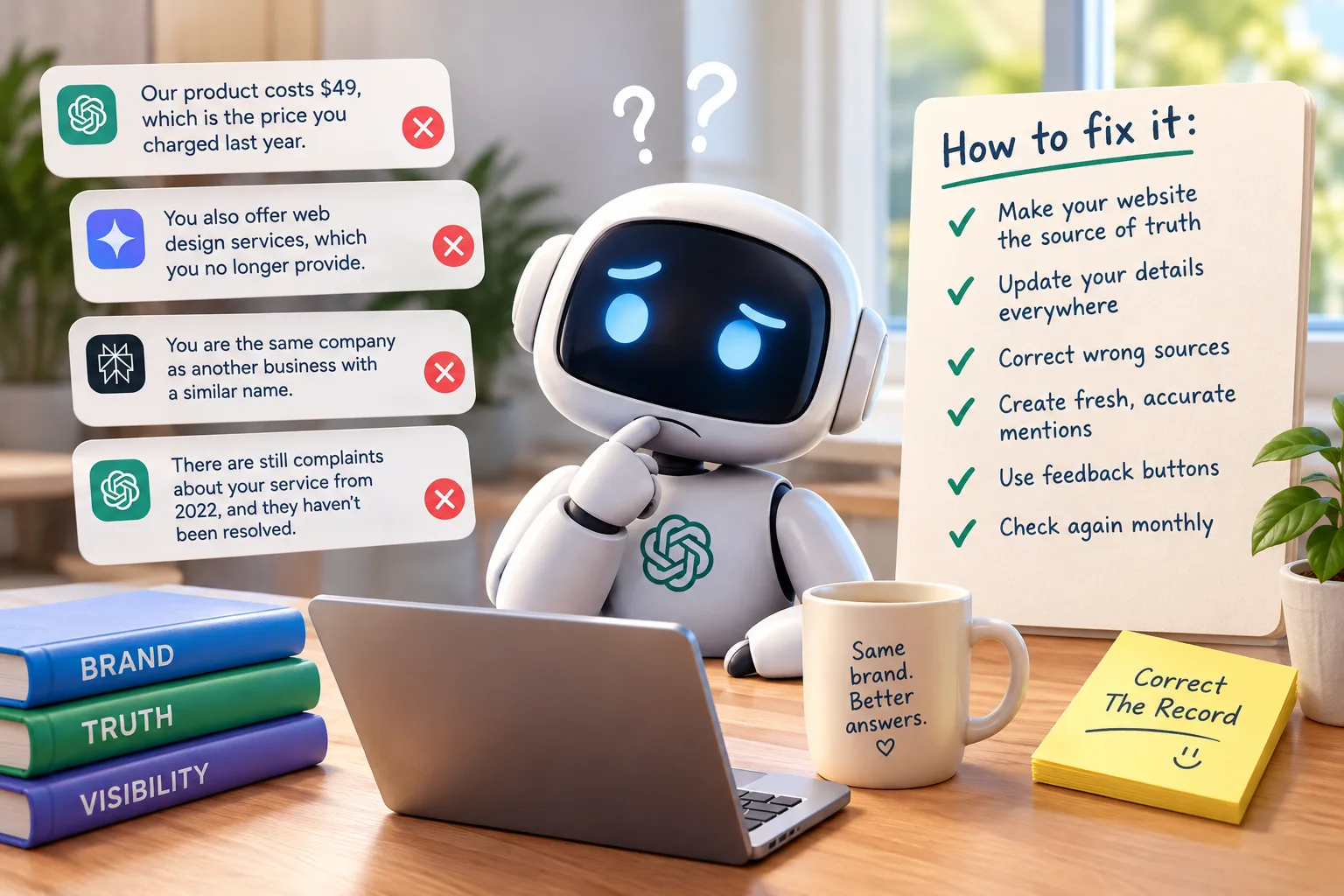
The first instinct is to fire back and set the record straight. I get it. But the person who wrote the review isn't really your audience anymore. Your reply is for everyone who reads it afterward: future customers, and increasingly, the AI tools that summarize what people say about your brand.
This is how we approach unfair reviews at Sublime+.
Figure out what kind of unfair it is
Not every unfair review is the same, and the right response depends on the type.
Wrong business. Sometimes people review the wrong company, especially when names are similar. We know this one well, since several companies share the Sublime name.
A misunderstanding. The customer expected something you never promised, or missed a detail that was clearly stated.
A real problem, exaggerated. Something did go wrong, but the review makes it sound far worse than it was.
Fake or against the rules. The reviewer was never a customer, works for a competitor, or the review contains abuse or private information.
The first three call for a public reply. The last one calls for a report, and usually a reply too.
Wait before you reply
Give yourself a few hours, or a full day if it really got under your skin. A reply written in frustration almost always shows it, and it stays public long after you've calmed down.
Use that time to check your records. Find the order, the conversation or the booking. Know the facts before you write a single word.
How to write the reply
Keep it short, calm and specific. A good reply usually does four things.
It thanks the person for the feedback, even when that feels hard. It acknowledges how they feel without agreeing to things that aren't true. It states the relevant facts plainly, without arguing. And it offers a direct way to resolve things privately.
Something like this works well:
"Thanks for sharing this. I'm sorry the experience didn't match what you expected. Our records show the order shipped on time with tracking, so I'd really like to understand what happened on your end. Could you email us so we can look into it together?"
Notice what that reply doesn't do. It doesn't call the customer a liar, it doesn't dump a long explanation, and it doesn't share private details. A reader comes away thinking you're reasonable, which is the whole point.
When to report instead
Most review platforms let you flag reviews that break their guidelines. Common reasons include reviews from people who were never customers, conflicts of interest like a competitor posting, hate speech, threats, spam or personal information.
Use the platform's official reporting process and give clear evidence. Then be patient. Removal isn't guaranteed, which is why a calm public reply is still worth posting in the meantime.
What never to do
Don't argue in public. Don't reveal anything private about the customer. Don't offer money or discounts in exchange for deleting the review. And never answer an unfair review by posting fake positive ones. Platforms catch it, it can get your profile flagged, and in the US the FTC has a rule specifically against fake reviews.
The real fix is more real reviews
One unfair review hurts most when it's surrounded by silence. If you have five reviews and one is a harsh one star, it dominates. If you have two hundred honest reviews, it barely registers.
So the best long run defense is simple. Ask your happy customers to share their experience, regularly and genuinely. Make it easy with a direct link after purchase or after a project wraps up.
Why this matters more now
Reviews don't just sit on a page anymore. AI tools like ChatGPT and Gemini read review platforms when they describe and recommend brands. I explained which platforms matter most in Trustpilot, Yelp, G2 and the sites AI tools trust.
A calm, professional reply becomes part of the record those tools read. So does an angry one.
At Sublime Plus, helping brands improve how they come across online is a big part of what we do, and we do it for far less than most reputation agencies charge. If unfair reviews are hurting your brand, reach out through sublime-plus.com.
Want this run on your brand?
We will walk you through what the models currently say about you, and what it would take to change it.