October 14, 2026 · 4 min read
Trustpilot, Yelp, G2 and the Sites AI Tools Trust for Brand Mentions
AI tools lean on review sites when they recommend brands. Which platforms matter for your type of business, and how to make them work for you.
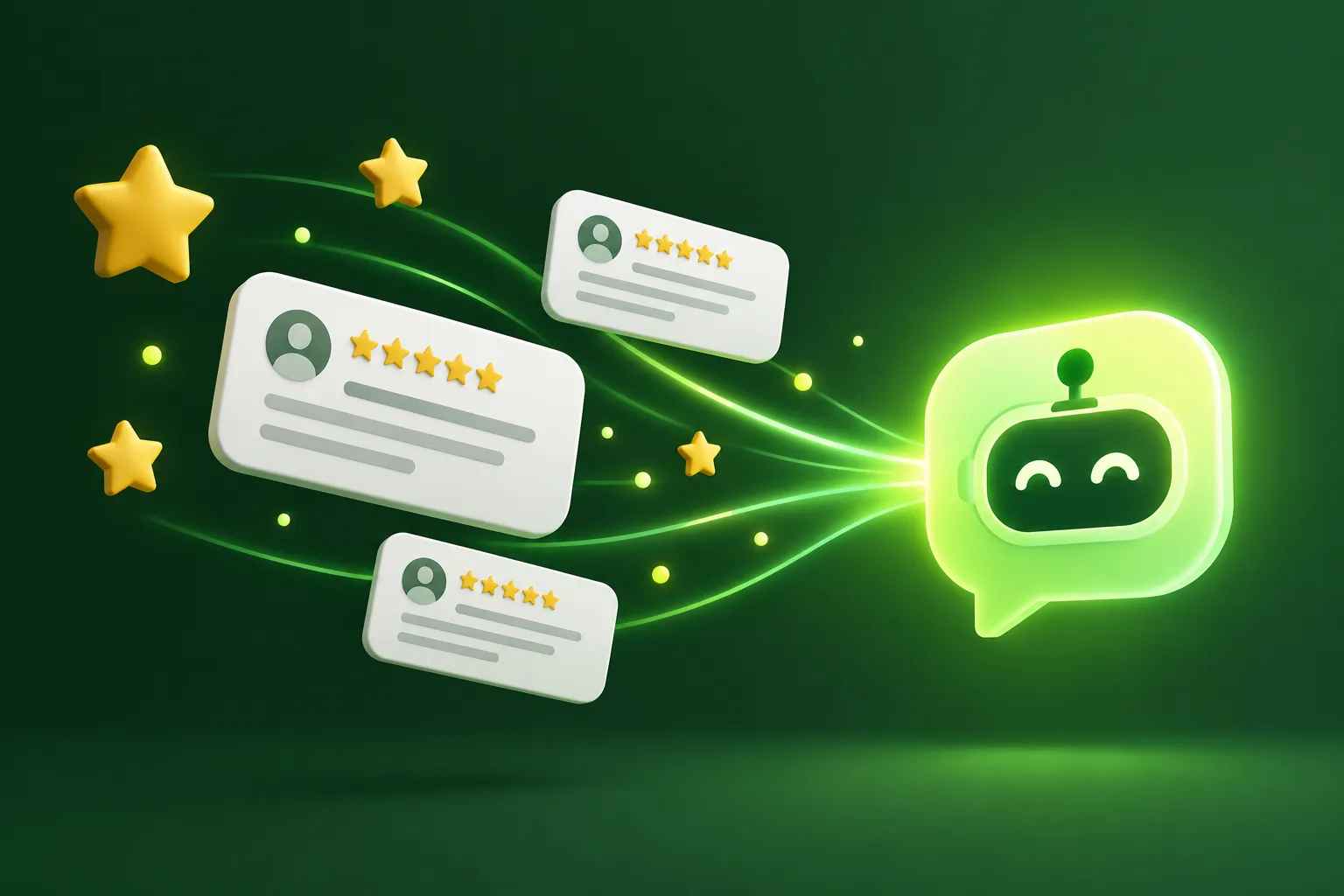
When ChatGPT, Gemini or Perplexity recommends a brand, it isn't pulling the name out of thin air. These tools lean on sources they consider trustworthy, and review sites sit near the top of that list.
That means your Trustpilot page, your Yelp listing or your G2 profile is doing more than convincing the occasional visitor. It's feeding the answers AI tools give to everyone asking about your category.
So which sites matter, and what should you do about them?
Why AI tools trust review sites
Review platforms have three things AI tools value. They hold lots of independent opinions in one place. They're structured, with ratings, dates and categories that are easy to read. And they're constantly updated, so they reflect how a brand is doing now, not five years ago.
When an AI tool is deciding whether to recommend you, a profile full of recent, detailed reviews is strong evidence. An empty or neglected one is a missed opportunity, and a profile full of unanswered complaints can actively work against you.
The sites that matter, by type of business
Trustpilot is a major one for ecommerce and consumer brands, especially in Europe. If you sell online, it's often one of the first places your reputation gets checked.
Yelp carries a lot of weight for local businesses in the US and Canada. Restaurants, clinics, salons, contractors and service providers all get judged there.
Google reviews on your Business Profile matter for every local business. They feed Google Maps, Google search and Google's AI Overviews.
G2 and Capterra are the big names for B2B software. Buyers use them to compare tools, and AI tools use them the same way.
Tripadvisor dominates travel and hospitality.
Reddit isn't a review site in the formal sense, but it works like one. Real people share honest experiences in threads, and those threads show up in Google results and AI answers constantly. That's why so much of the work at Sublime+ happens there.
Wikipedia, news sites and comparison articles round out the picture. They help AI tools understand what your company is and how it compares to others.
What to do with this
Claim your profiles. Many brands have Trustpilot or Yelp pages they never claimed. Claim them, fill in every field and keep your details consistent with your website.
Ask real customers for reviews. A steady flow of genuine reviews beats a sudden burst. Make it easy by sending a link after a purchase or when a project wraps up.
Reply to reviews, good and bad. A thoughtful reply to a complaint shows future readers, and AI tools, that you take feedback seriously.
Never buy reviews. Platforms detect and remove them, they can flag your profile publicly, and in the US the FTC now has a rule specifically banning fake reviews. It's a shortcut that ends badly.
Match the platform to your buyer. A B2B software company doesn't need to obsess over Yelp. A local dentist doesn't need G2. Focus on the two or three sites your customers actually use.
How this connects to the bigger picture
Reviews are one piece of how AI tools decide which brands to mention. The other big pieces are community discussions, comparison content and your own website. I covered how they work together in why your competitor shows up in ChatGPT and you don't.
At Sublime Plus, we help brands build the kind of presence AI tools trust, starting with honest conversations on Reddit and extending to how your brand appears across the web. If you want to know which sites matter most for your business, reach out through sublime-plus.com.
Want this run on your brand?
We will walk you through what the models currently say about you, and what it would take to change it.