October 14, 2026 · 3 min read
How ChatGPT, Gemini and Perplexity Decide Which Brands to Recommend
Why does ChatGPT recommend one brand and skip another? A plain look at how AI tools pick which brands to mention, and what that means for yours.
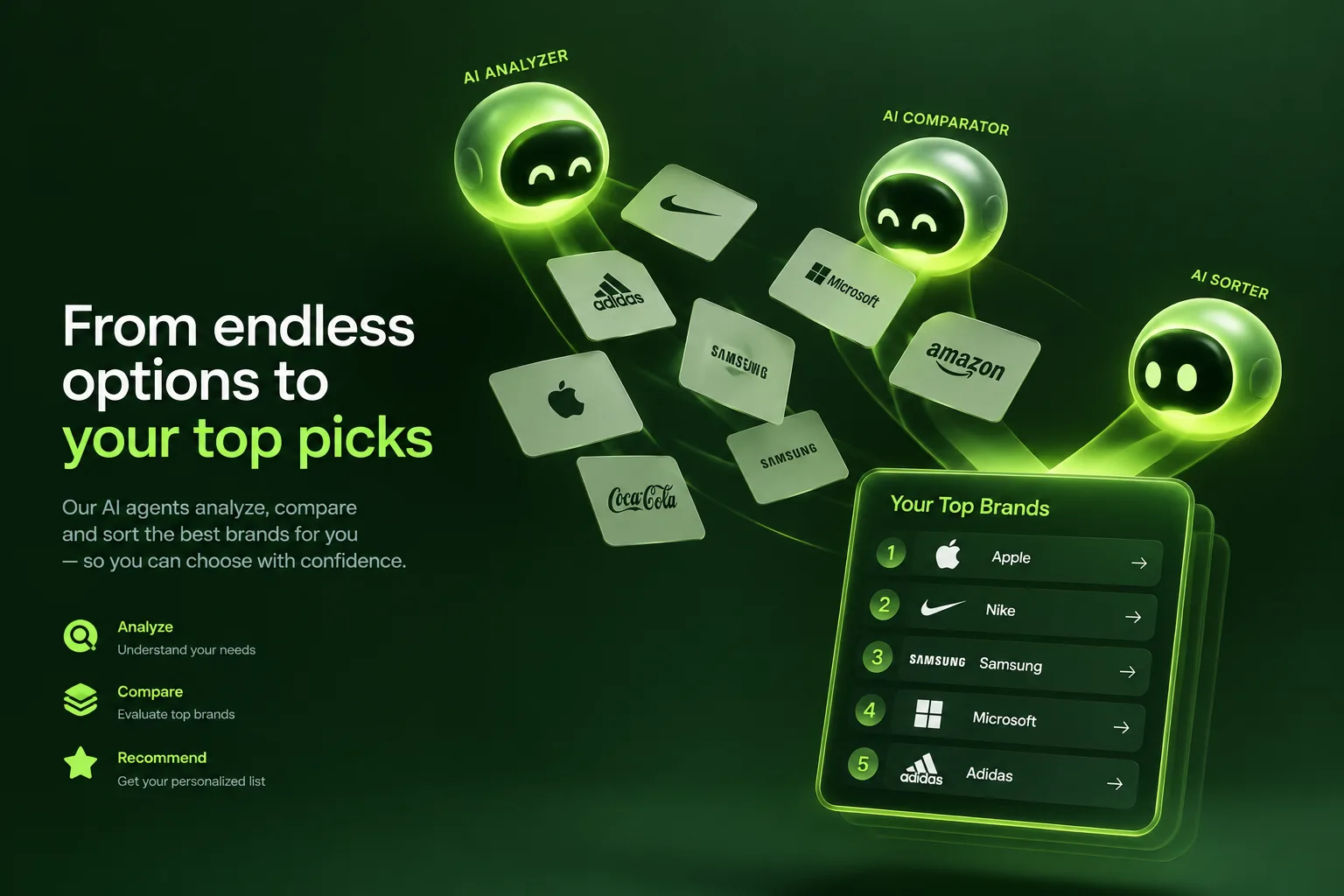
When someone asks an AI tool for a recommendation, a lot happens in a few seconds. The tool has to understand the question, figure out which brands fit, and decide which handful are worth naming.
Brands that understand how that decision works have a real advantage. So here's how I explain it to clients at Sublime+, without the technical jargon.
Two ways AI tools know about brands
Every major AI tool draws on two kinds of knowledge.
What it already learned. These models were trained on enormous amounts of text from across the internet. Whatever was written about your brand in that text shapes the tool's built in sense of who you are.
What it looks up live. Many AI tools now search the web while answering, read a set of pages and summarize them. This is how they handle recent information and specific recommendations.
How the main tools differ
ChatGPT blends both. For many recommendation questions it searches the web and shows sources, but its training still shapes how it frames the answer.
Perplexity is built around live search. It almost always pulls fresh sources and cites them, which makes it very responsive to what's on the web right now.
Gemini and Google AI Overviews are closely tied to Google's own search index. If you're strong in Google's world, that tends to carry over.
The details keep changing as these companies update their products, but the overall pattern holds. Every tool depends heavily on what the web says about you.
The signals that decide who gets named
Frequency. How often your brand is mentioned in relevant conversations. A brand discussed in dozens of threads and articles is easier for an AI to recall than one mentioned twice.
Source trust. Where those mentions appear. Reddit, established review platforms, respected publications and detailed comparison articles carry more weight than random directories.
Context match. Whether your brand is linked to the specific need in the question. If people always talk about you as "great for freelancers," you'll get recommended to freelancers.
Sentiment. Whether people speak well of you. A brand mentioned often but mostly in complaints is less likely to be recommended.
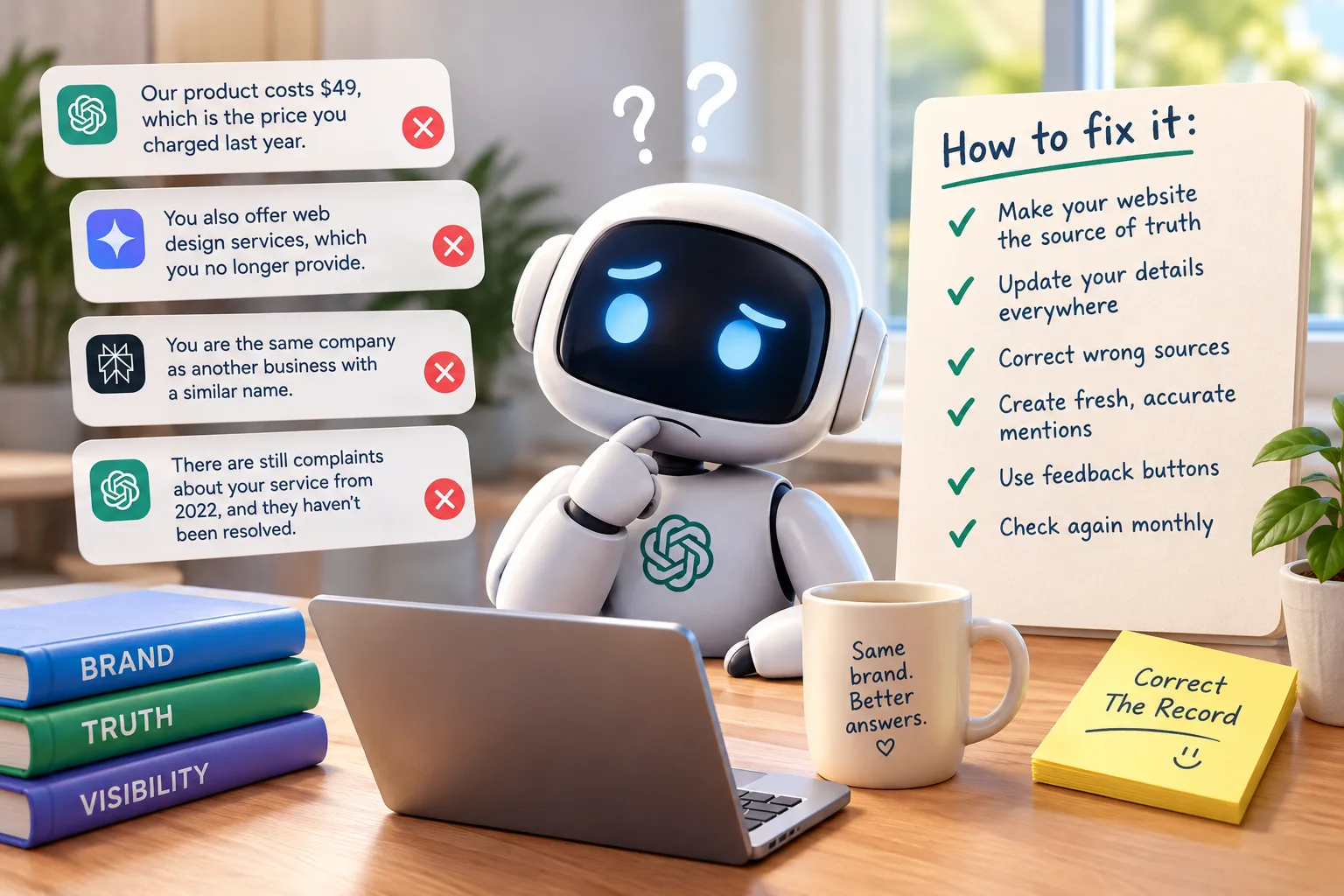
Consistency. Whether your name and description are the same everywhere. Mixed signals make AI tools less confident.
Freshness. Whether the conversation about you is current. Tools that search live favor recent content.
Why answers change from one try to the next
Ask the same question twice and you might get different brands. AI answers aren't fixed rankings. They vary by tool, by session and by exactly how the question is worded.
That's why checking a single answer can mislead you. At Sublime Plus we track a set of questions across tools over time and look for patterns, not one off results.
What this means for your brand
You can't pay for a spot in an organic AI recommendation. You earn it by being discussed often, positively and clearly in places these tools trust. I covered the basics in what is LLM visibility and the review side in the sites AI tools trust for brand mentions.
If you want to see how these tools currently see your brand, the Sublime team can help. Start at sublime-plus.com.
Want this run on your brand?
We will walk you through what the models currently say about you, and what it would take to change it.